What I Learned from Our Independent Valentine's Day Fundraising Project

Recently, my good buddy, Stuart Hoffman and I collaborated on an independent fundraising initiative to help support our favorite charity, The Prem Rawat Foundation. It was a ton of fun. So far, we've raised $4,981 and gotten more than 13,000 hits on our video. Here's a bunch o' stuff I learned (or remembered) along the way:
1. It feels good to serve.
2. Most people want to give.
3. If you want to create something new, it's helpful to have a collaborator.

4. It takes a village and a few village idiots to make magic.
5. Some people don't like Valentine's Day.
6. Twelve saints named "Valentine" have been canonized by the Catholic church.
7. Googling "love quotes" reveals hundreds of inspiring quotes from known and unknown sources.
8. Everybody has an opinion.
9. The staff of The Prem Rawat Foundation is very committed and easy to work with.
10. Some people think 5:23 is a long time.
11. More people will participate in a fundraising effort if they are invited to participate and have a clearly defined role that makes sense to them.
12. Daya Rawat is an extraordinary singer.
13. Any effort made to personalize a fundraising effort is an effort well-made.
14. Proper planning prevents piss poor performance.
15. Fundraising success can be measured in many ways. HINT: It's not all about the money.
16. Coffee is an excellent fundraising catalyst.
17. Many people suffer from "fundraising fatigue."
18. Posting a video on my friends' FB pages is a good way to get the word out, as long as I don't overdo it and only choose the friends who won't be bothered by my taking that liberty.
19. I have a tendency to obsess.
20. I never really knew that my dog, Chili, could become part of a fundraising campaign.

21. Donors to a fundraising campaign appreciate getting updates and progress reports.
21. Some people perceive a request to donate to a charity as a botheration.
22. Publishing an article about the History of Valentine's Day in the Huffington Post is an excellent way to publicize a Valentine's Day-themed fundraising campaign.
24. It's inspiring to set seemingly impossible goals as long as I don't get attached to them.
25. Keep my emails short.
26. It's useful to pay attention to feedback, especially the feedback I judge as irrelevant or absurd. It's also good to thank the people who give me feedback, even if I don't agree with them.
27. Murphy's Law has a way of creeping into any project.
28. The path is made by walking on it.
29. TPRF could use some more volunteers.
30. In some places around the world, $1.00 feeds a hungry child for a day.

31. Some people won't get to #31 on my list of 40 things I've learned (but YOU have, so, congratulations!) You either have nothing better to do, are slightly crazy, or are a patient friend of mine.
32. Stuart Hoffman and Jennifer Edwards are a great songwriting team.
33. No matter what you think of Mark Zuckerberg, Facebook is an awesome platform to facilitate communication.
34. The Peace Education Program is working wonders to help people in prison get a fresh start in life.
35. When your Mac keyboard stops working in the middle of a project like this, buying a $49 plug-in keyboard at Best Buy is the way to go.
36. Doing anything on behalf of a charity, whatever the cause, works way better when you are actually feeling grateful.
37. Love rules!
38. The Food for People program is a shining example of how a good idea can work wonders.
39. Thinking I don't have time to volunteer for a charity (in this case TPRF) because I need to focus on "making a living" is a bogus thought, originating from a weird place of fear and anxiety. There is always time to be of service. And the amazing thing (even though I can't really prove it and the concept of "cause and effect" is a slippery slope to walk), two well-paying gigs came to me out of the blue while I was working on this project. That's two month's worth of income, folks. Coincidence? Maybe. But maybe not. Just saying...
40. These two independent fundraisers walk into a bar...
The Valentine's Day Love Quotes show
It's not too late to donate
The Prem Rawat Foundation
Posted by Mitch Ditkoff at 08:20 PM | Comments (1)
March 18, 2014Seeing Eye to Eye

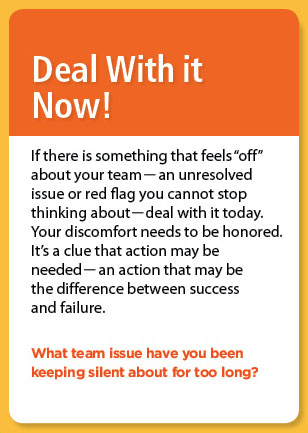
Is there anyone on your team you are not seeing eye-to-eye with? And if so, what can you do tomorrow to get on the same page?
Posted by Mitch Ditkoff at 08:51 PM | Comments (0)
March 17, 2014We're All in This Together

If you are a member of a team, what do you think the missing piece is -- and what can you do, this week, to deal with it?
Posted by Mitch Ditkoff at 04:14 PM | Comments (0)
February 12, 2014A Surprise Collaboration with Vivek
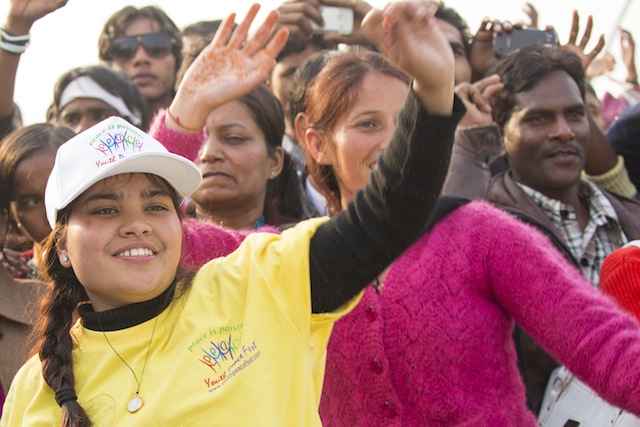
This morning I received a surprise email from Vivek, a young man from India I have never met.
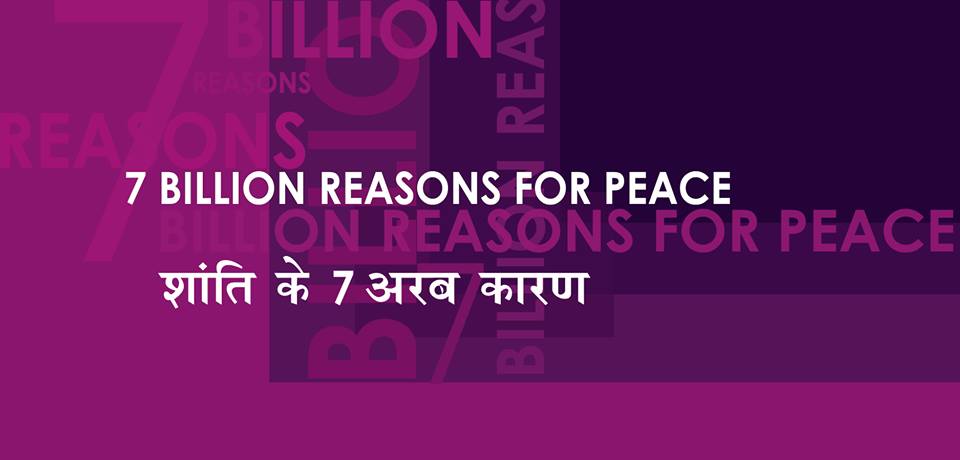
Vivek told me that he had recently discovered my blog, The Heart of the Matter, and really enjoyed some of the visuals featuring excerpts of Prem Rawat's talks.
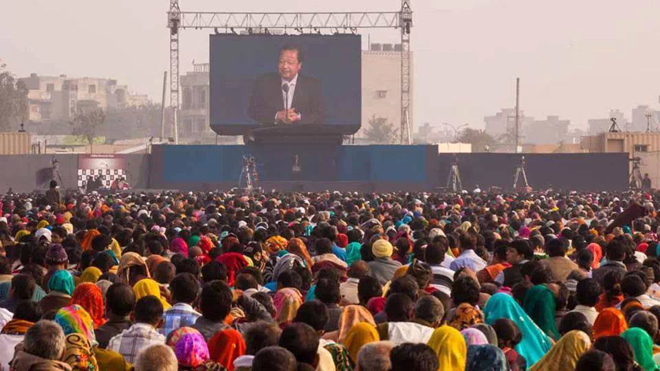
Since Vivek and his team were helping to promote the Youth Peace Fest (an event where Prem Rawat would eventually address an audience of 183,500 people), he decided to make a video of the slides, add some cool music, and show it at colleges, offices, and other venues around India to get the word out. Vivek noted, in his email to me this morning, that the show was a "big hit with audiences."

Posted by Mitch Ditkoff at 12:12 PM | Comments (1)
June 27, 2013Hark, the Online Angels Sing!
What can you do to create extraordinary results with a committed group of online creatives? Poets? Artists? Musicians? Dancers? Programmers?
Posted by Mitch Ditkoff at 12:12 AM | Comments (2)
October 25, 2012The Best Practices of High Performing Volunteer Organizations
Unless you've been in a coma your entire life, chances are good that you've been a volunteer of some kind in any number of non-profit organizations. Simply put, you've been drawn to a noble cause and have pitched in.
That's the good news.
The not-so-good news is that many volunteer organizations, without even knowing it, sabotage the value their volunteers bring to the table.
I've recently done some informal research on the subject and have identified 27 "best practices" high performing volunteer organizations abide by. Take a peek. Then, volunteer to share the list with the leaders of whatever volunteer organizations you would like to see succeed at a higher level. Can't hurt. Can only help.
 1. Clearly (and often) communicate the vision.
2. Provide clearly written job descriptions.
3. Take the time to authentically welcome volunteers and orient them to their new role.
4. Ensure that volunteers know exactly what's expected of them.
5. Start new volunteers off small. Don't scare them off with too huge of a commitment too soon.
6. Keep the workloads manageable.
7. Communicate progress being made on a regular basis. Volunteers need to see that their efforts are having impact.
8. When there are setbacks or breakdowns, learn from them -- and share your learnings with others.
9. Be prepared so you don't waste people's time.
10. Create a trusting environment that ensures open communication, teamwork, and respect for diversity.
11. Keep everyone on your team informed of the inevitable changes (i.e. direction, policy, timelines, goals, personnel etc.)
12. Provide opportunities for volunteers to switch to different roles they might find more enjoyable.
13. Give and receive feedback (both formally and informally).
14. Provide opportunities for volunteers to learn and grow.
15. Honor your commitments (and if, for any reason, you cannot -- renegotiate them with volunteers).
16. Give volunteers the opportunity to take breaks from the project.
17. Make sure volunteers know they can say "no" if they are overextended or overwhelmed.
18. Enthusiastically acknowledge successes, especially "small wins").

19. Be kind and respectful in all your interactions.
20. Do your best to make sure everyone is enjoying the process of participating.
21. Respond to input, questions, and feedback as soon as possible. Don't leave people hanging.
22. Build some interpersonal "chat time" into your meetings and conference calls.
23. Teach volunteers, in leadership positions. how to delegate.
24. Even when you are stressed or behind deadline, take the time to make sure your emails have a feeling of warmth to them.
25. Fill out Project Briefs on all projects you are inviting volunteer participation -- and share them with volunteers.
25. Conduct exit interviews whenever a volunteer ends their participation or is asked to step aside.
26. Share your learnings from the exit interviews with other managers.
27. Follow the Golden Rule: Do unto others as you would have them do unto you.
Two volunteer organizations I am working with:
Words of Peace Global
TPRF
Posted by Mitch Ditkoff at 12:00 AM | Comments (0)
November 30, 2011All Hands on Deck!

Look around you. This is not the time for lone wolves, closet geniuses, unaffiliated mavericks, out-of-orbit freelancers, hidden agendas, superstars, cranky collaborators, or hyper independent dreamers. Sorry. Wrong decade. Now is the time for alliances, partnerships, collaborations, and team chemistry. If you are trying to "get something done" and it just ain't happening, pause for a moment and take a good look at how you are operating. If you don't have a team of committed collaborators, allies, and partners in place, it will be very difficult to manifest the inspired results you are imagining. Make sense?
What's one thing you can do this week to build your team?
Posted by Mitch Ditkoff at 02:06 AM | Comments (1)
March 26, 2011VIRTUAL TEAMWORK CARDS

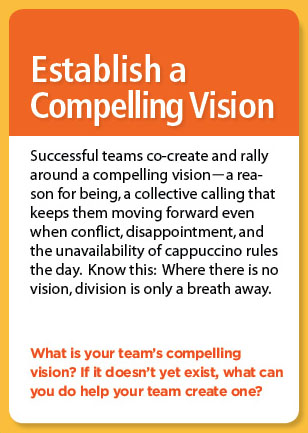
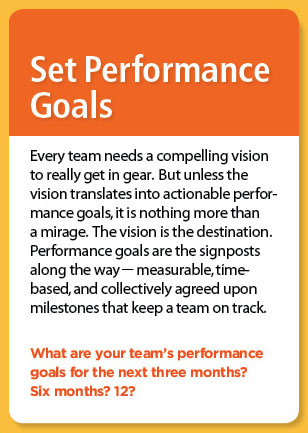
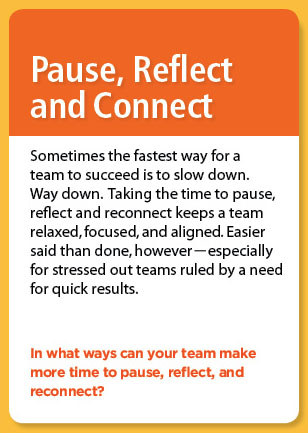
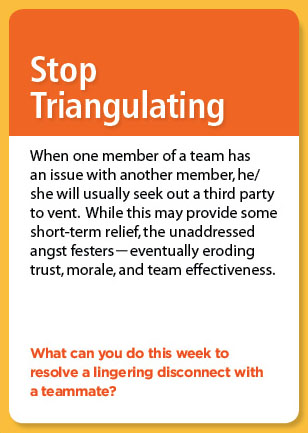
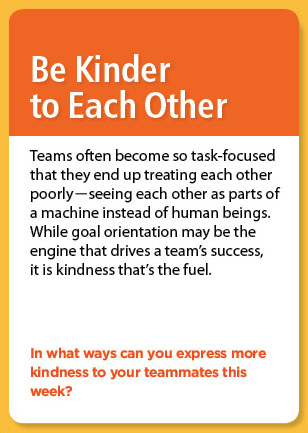
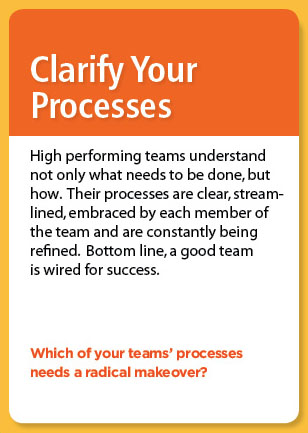
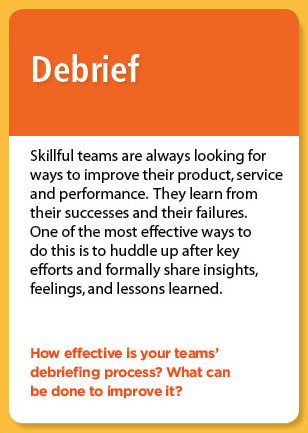
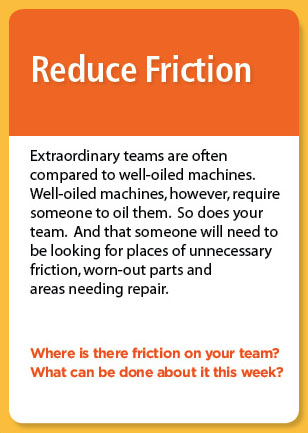
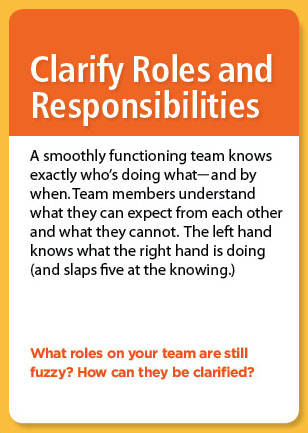
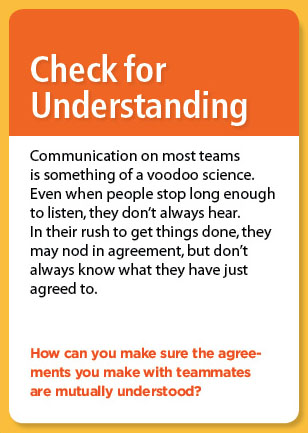
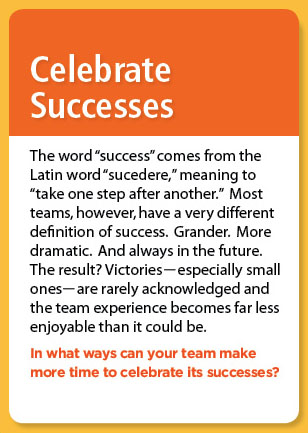
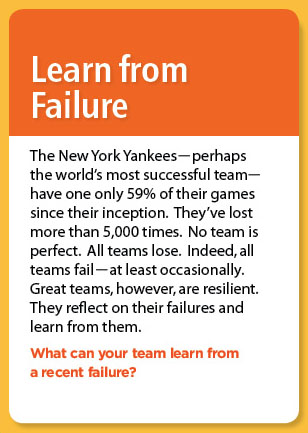
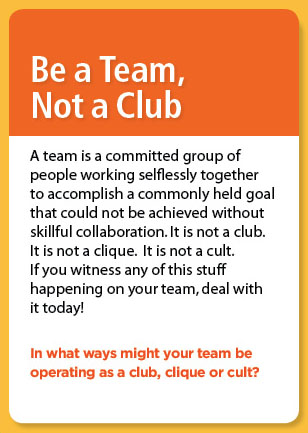
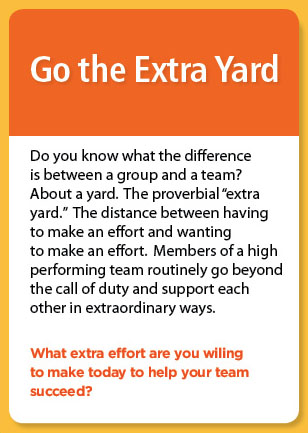
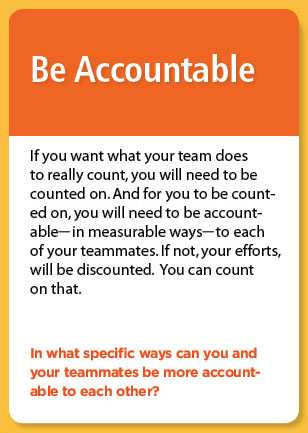
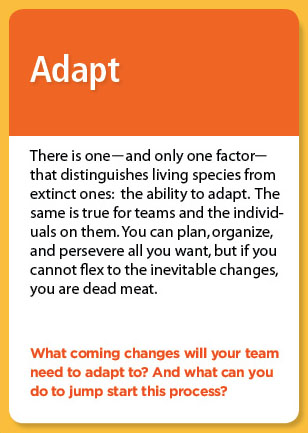
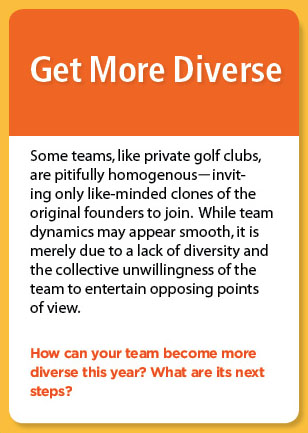
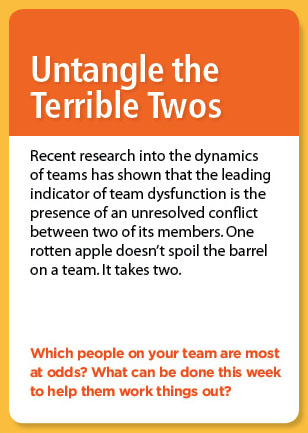
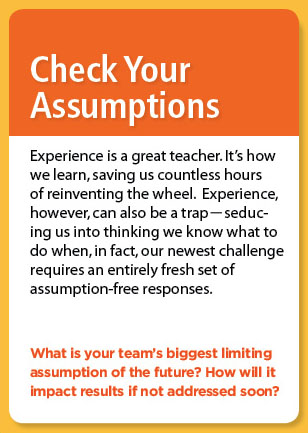
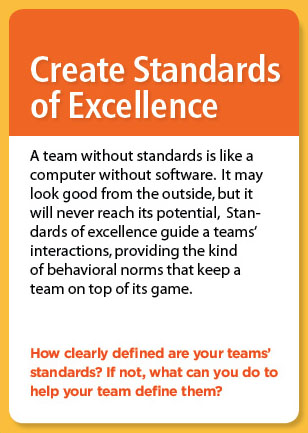
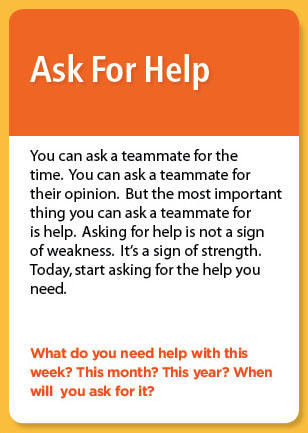
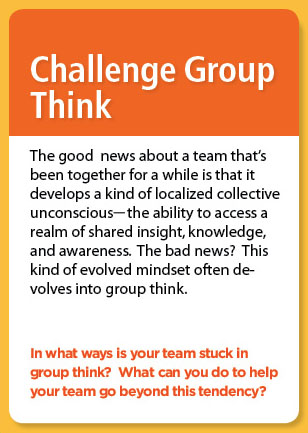
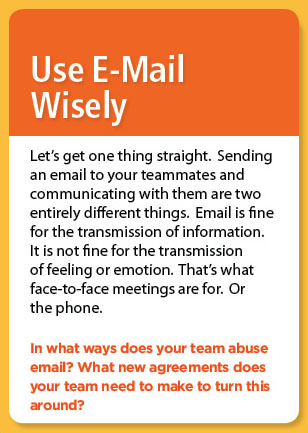
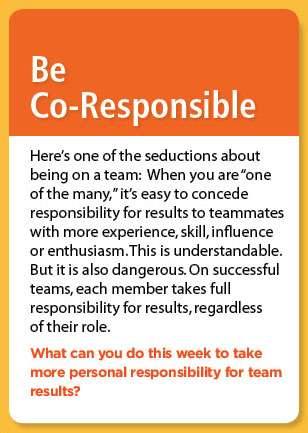
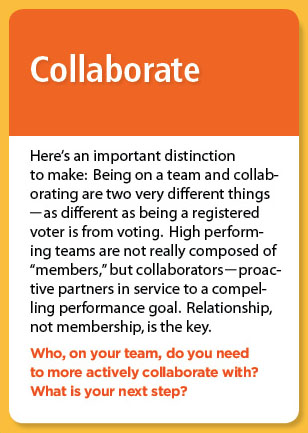
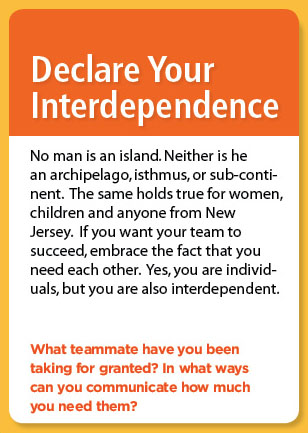
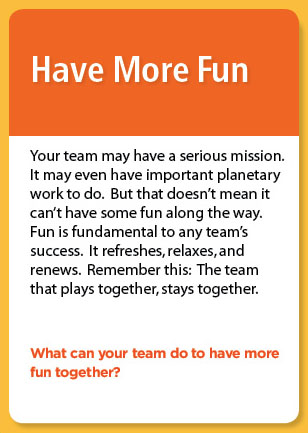
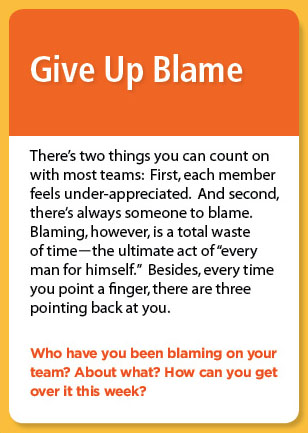
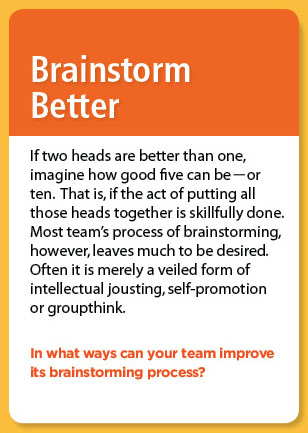
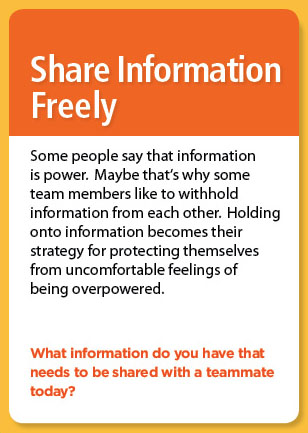
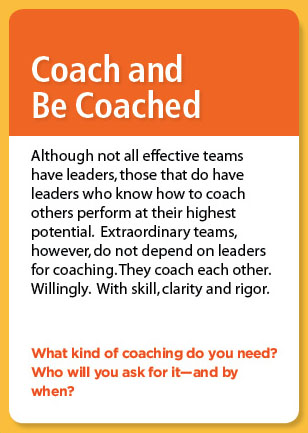
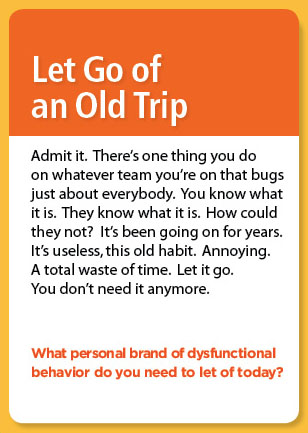
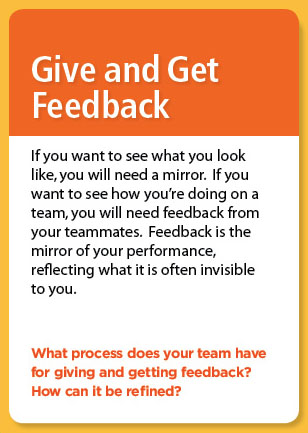
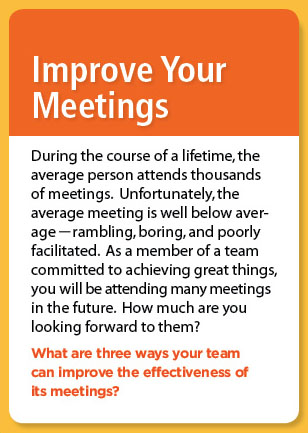
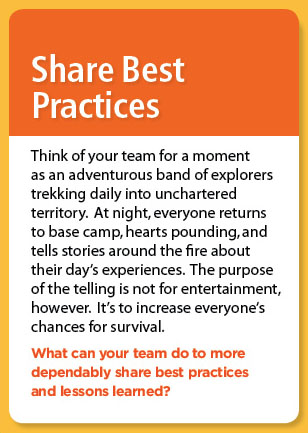
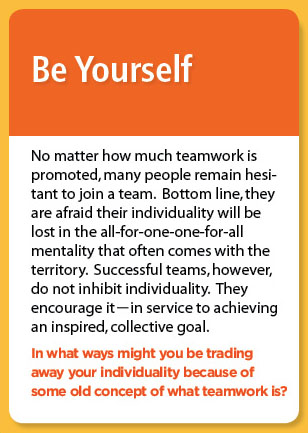
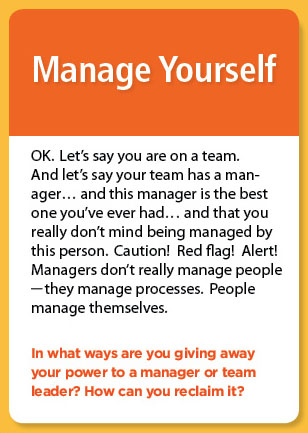
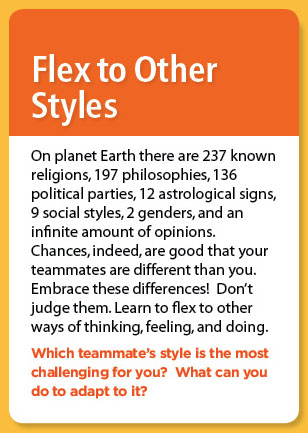
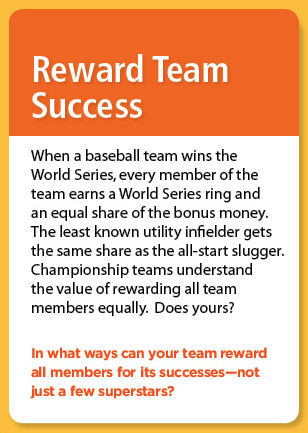
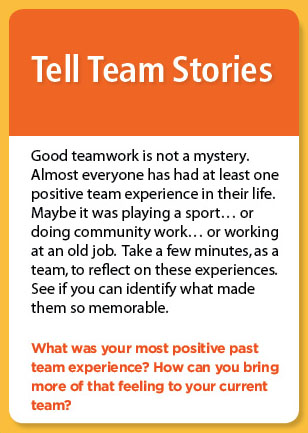
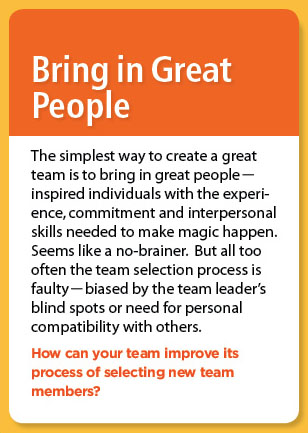
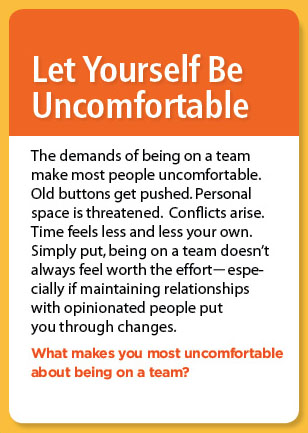
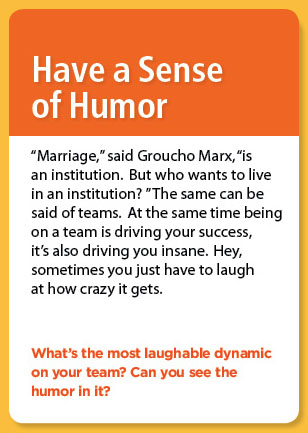
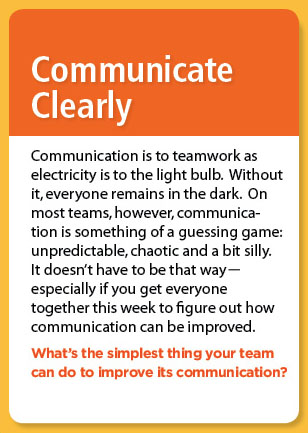
If you are looking for a simple way to improve teamwork, click on the "We're All In This Together" banner in the sidebar.
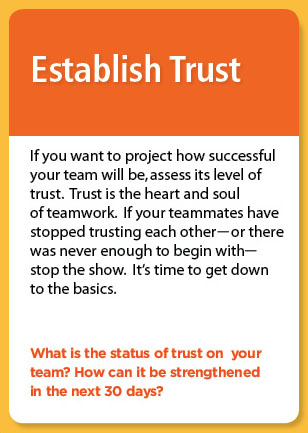
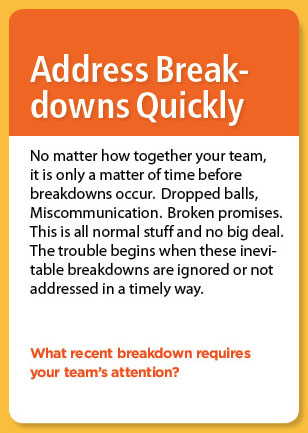
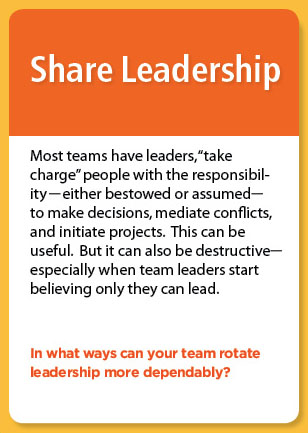
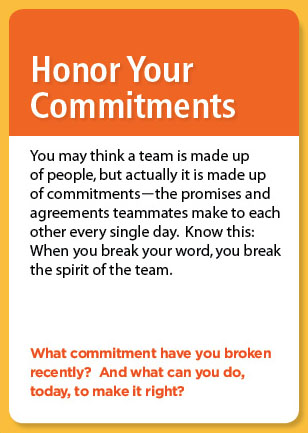
What you'll get is a series of 53 Teamwork Cards newly published by the writers of this blog, Idea Champions.
Each card describes a quality of a high performing team and then poses a question for reflection.
The cards spark dialogue, insight, and the kind of positive changes that increase a team's ability to accomplish the seemingly impossible.
Posted by Mitch Ditkoff at 01:51 AM | Comments (0)
October 20, 2009Click, Connect, and Collaborate!

Here's something I find odd: Soulful, loving, conscious people often find it difficult collaborating with others.
The challenge of being on a team, somehow, pushes buttons. Patience wears thin. Judgment abounds. Trust goes out the window.
But it doesn't have to be that way.
If you're looking for a way to raise the bar for teamwork, all you need to do is click here or scroll down the page and click on TEAMWORK CARDS (in the sidebar).
Posted by Mitch Ditkoff at 11:53 PM | Comments (1)
January 24, 2009Raising the Bar for Teamwork
If you are committed to accomplishing extraordinary results, chances are good that you will need to collaborate with others.
Your ideas and dedication, no matter how wonderful they might be, will never be enough by themselves. It takes a village.
Most people's experience of being on a team is less than ideal, filled with frustration, power struggles, and the belief that it's just not worth the effort.
OK. Those days are over. No matter how disappointing your experience of teamwork may have been in the past, it's never too late to turn things around. And it all begins with AWARENESS -- tuning into what's actually going on with your team.
Intrigued? If so, click here and take Heart of the Matter's online TEAM REALITY CHECK poll. In two weeks, I'll post the results here -- a way to spark new possibilities about what you and the rest of us can do differently to radically increase the effectiveness of our teams.
Posted by Mitch Ditkoff at 07:39 PM | Comments (6)